11 hr
Northern Cyprus History Tour: Salamis, Famagusta & Varosha Ghost Town
Cross into Northern Cyprus to explore Roman ruins, medieval fortifications, and a haunting abandoned resort.
Reserve
Hand-picked by our editors — only the best 5 experiences from 27 reviewed.
Verified partners for every tour, free cancellation where available, and instant confirmation on every booking.
11 hr
Cross into Northern Cyprus to explore Roman ruins, medieval fortifications, and a haunting abandoned resort.
Reserve
11 hr
Journey through ancient ruins, medieval walls, and a frozen-in-time resort on this remarkable day trip across the island
Reserve
9 hr
Uncover Cyprus's eastern treasures: Roman ruins, medieval fortresses, and a haunting abandoned city
ReservePrices from verified partners. Availability updates in real time at checkout. Free cancellation policies apply where shown.
The landmarks, rooms, and views travelers on this tour remember — all visible on a single visit.
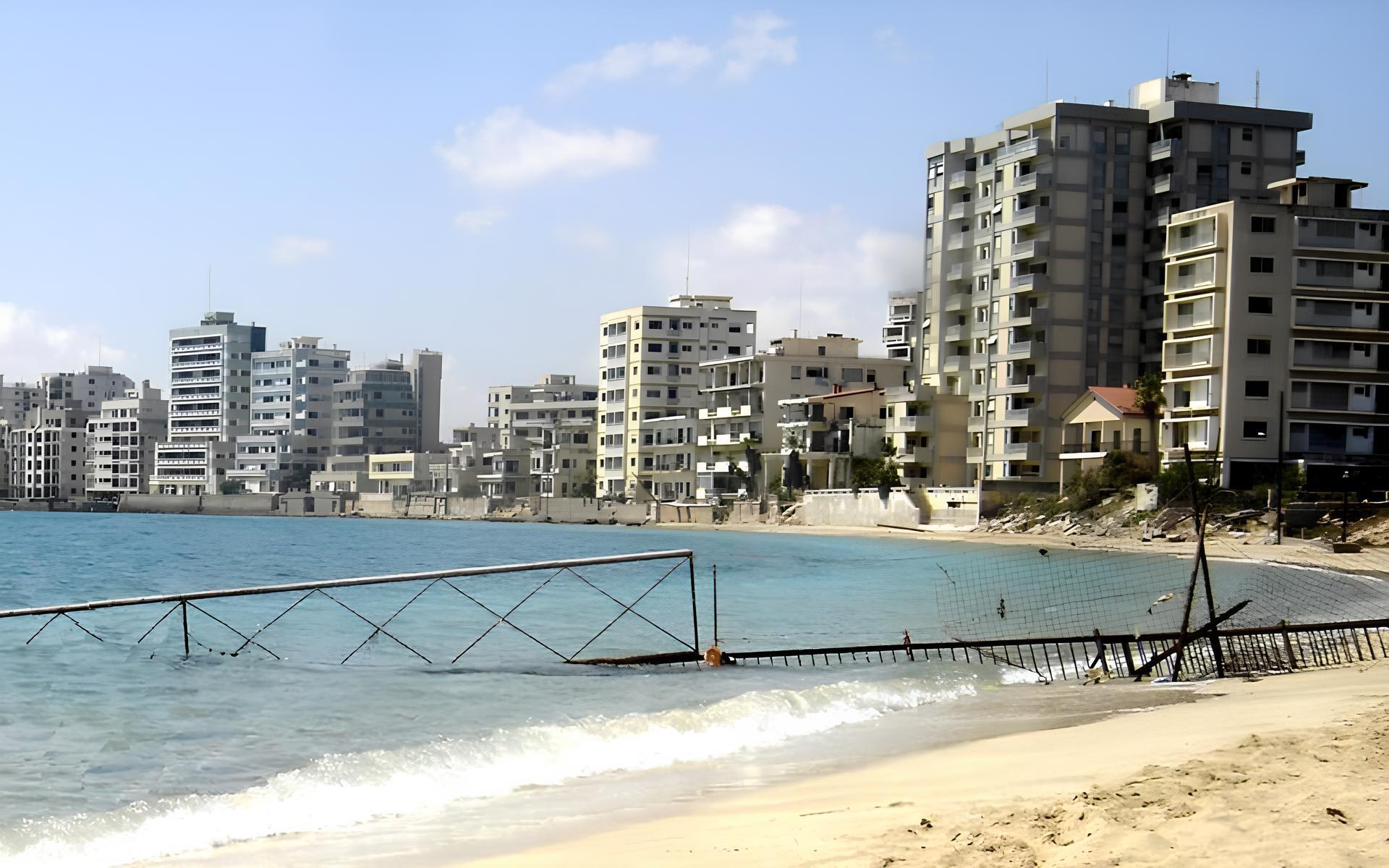
The main thoroughfare where the scale of abandoned hotels is most visible, offering a window into 1970s architecture.
These experiences cater to different travel styles; choose the famagusta day trip from paphos if you seek cultural depth, or the boat adventure for leisure.
| Feature | Top pick Varosha Ghost Town | Blue Lagoon Boat Trip |
|---|---|---|
Focus |
Urban exploration | |
Activity Level |
Moderate walking | |
Historical Significance |
High (post-conflict zone) | |
Physical Demands |
Low to moderate | |
Environment |
Concrete ruins and streets | |
Suitability |
History and photography enthusiasts | |
| See tickets → |
Verdict: If you require famagusta day trip from paphos tours for educational insight, prioritize Varosha, whereas Blue Lagoon is ideal for sea-focused relaxation.
Choose your ticket, select your date, and reserve in under two minutes. Secure checkout handled by our verified partner.
Instant confirmation by email, with a mobile voucher you can save offline. No printing, no queuing at a collection desk.
Arrive at the entrance, show your voucher on your phone, and walk in. Most tickets include priority or skip-the-line access.
Practical details for your visit straight from our verified partners — hours, access, rules, and how to get there.
Modest clothing is recommended as a sign of respect, though no formal dress code is enforced. Comfortable walking shoes are essential for exploring the paved streets.
Security checks occur at the entrance where bags may be inspected. Ensure you carry your passport for the crossing into Northern Cyprus.
Photography is permitted from the designated walkways. Do not photograph military personnel or installations as these areas are strictly restricted.
Main streets are generally flat and accessible for wheelchairs or strollers. Access to the beach area may involve uneven surfaces or sand.
The area is suitable for families, but children must be kept close due to the proximity of crumbling, restricted structures. Ensure they stay on marked paths.
Limited snack kiosks and basic restaurants are available near the entrance or beachfront. Carrying your own water is highly recommended, especially in August heat.
Best time to go, insider tips, nearby landmarks, and the cancellation fine print — flip through to skim what matters to you.
Flexible, no hidden fees.
Full refunds are typically available for organized tours if canceled 24 hours in advance. Entry to the site itself is 0 EUR.
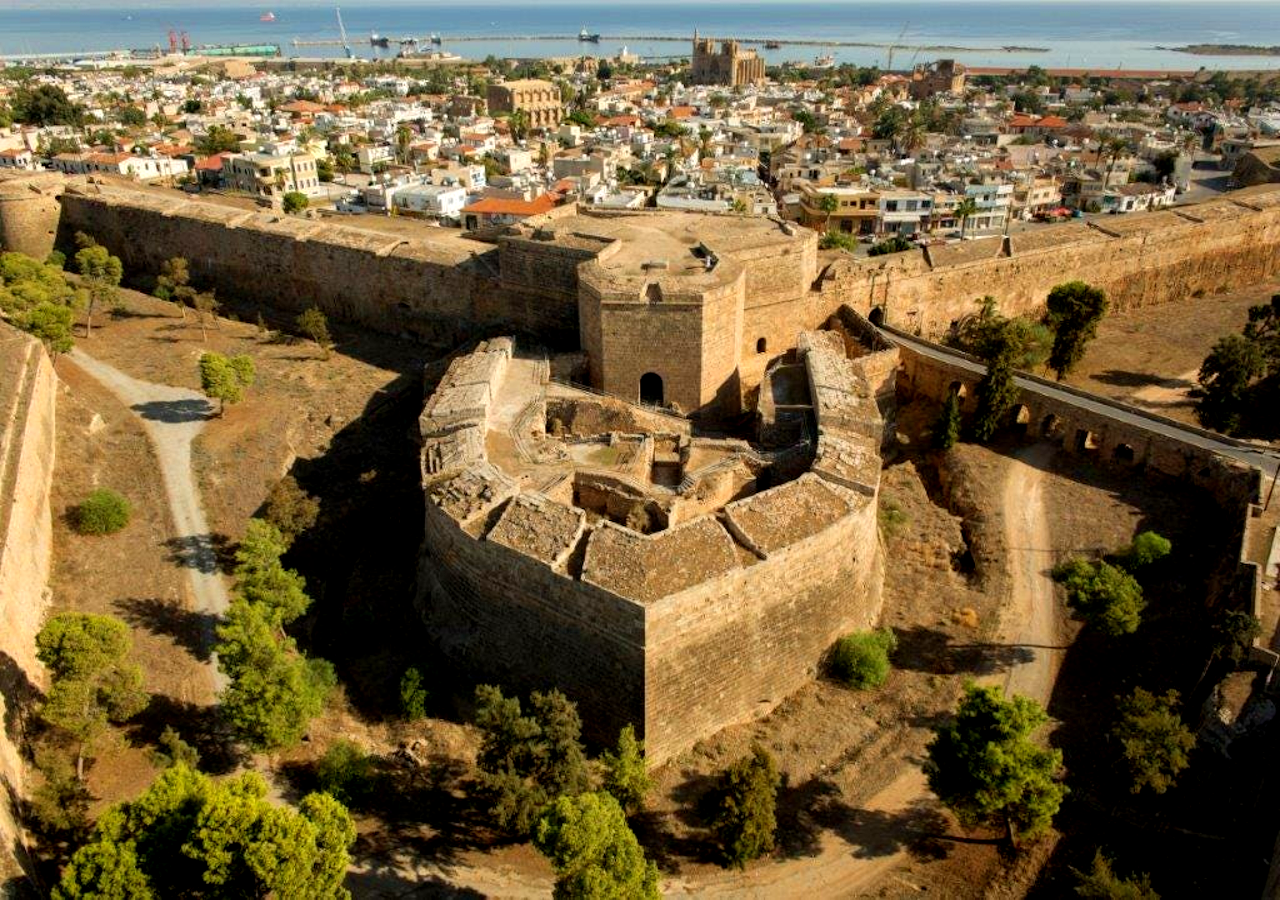
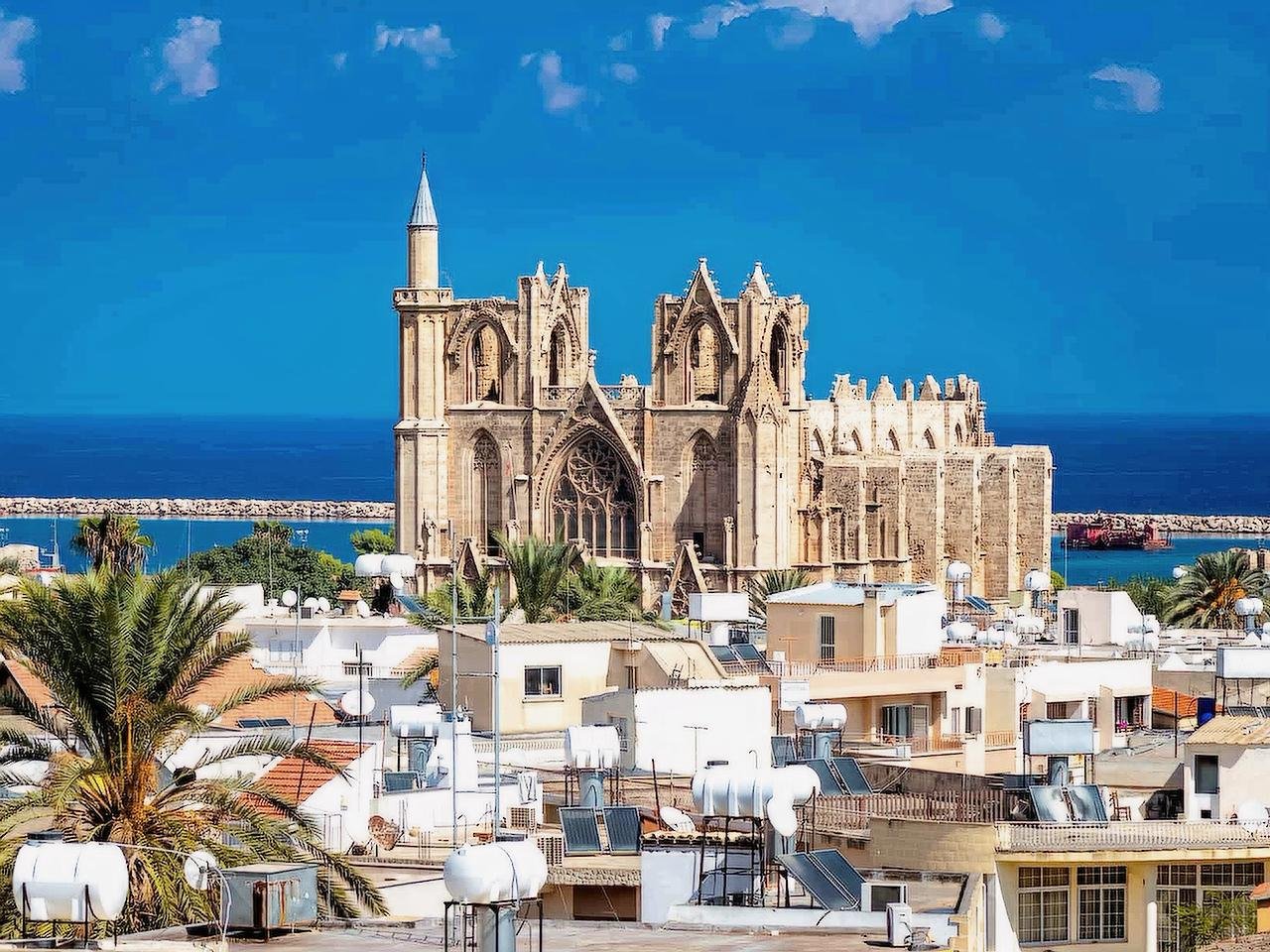
Varosha stood as the Mediterranean's most fashionable resort until August 1974, when Turkish forces cordoned the beach quarter and its fifteen thousand residents fled in a single afternoon. Fifty-two years later the district remains sealed behind rusted barricades, its high-rise hotels intact but empty, balconies sagging under half a century of salt wind. The reopened southern perimeter now permits guided entry along Demokratias Avenue, where visitors walk past the Argo Hotel's weathered facade and peer through chain-link at lobbies frozen mid-decade. Famagusta itself dates to the Lusignan conquest of 1191, when Frankish nobles fortified the natural harbor and built the Gothic cathedral of Saint Nicholas—later converted to the Lala Mustafa Pasha Mosque after the Ottoman siege of 1571. The Venetian-era walls, completed in 1540, stretch four kilometers and rise fifteen meters above the moat, their bastions angled to deflect cannon fire. Inside the old city, arched doorways and carved lintels mark Genoese merchant houses, while the twin towers of the Othello Castle—named for Shakespeare's fictional governor—command the northeastern corner of the harbor. Salamis, eight kilometers north, was the island's capital for a thousand years. The Roman gymnasium complex preserves a colonnaded palaestra, marble latrine benches, and a sixty-meter pool fed by aqueduct from the hills. The adjacent amphitheater seated fifteen thousand spectators; its limestone tiers, partially restored, still face the orchestra and the basilica ruins beyond. Corinthian capitals lie scattered in the agora, and the bathhouse mosaics—geometric borders framing now-empty panels—hint at the city's wealth before the seventh-century Arab raids silenced it. A Famagusta day trip from Paphos crosses the island via the Troodos foothills, passing through the UN buffer zone at the Agios Dometios checkpoint. Tours typically combine all three sites in a ten-hour circuit, with the medieval walls and ghost town perimeter walked in sequence, then a coastal drive to the Salamis excavations. The route threads contested geography: signage shifts from Greek to Turkish, currency from euro to lira, and the narrative itself fragments depending on which side of the Green Line your guide calls home.
"Varosha stood as the Mediterranean's most fashionable resort until Turkish forces cordoned the beach quarter and its fifteen thousand residents fled in a single afternoon."
A step-by-step walkthrough of the visit — what you'll see, how long each stage takes, and the details that matter.
You cross the Green Line at dawn, the bus climbing past Troodos pine forests before descending into the Mesaoria plain. Famagusta's Venetian bastions appear first—rust-colored stone blocks ten meters thick, their embrasures dark against the morning sky. Your guide leads you through the Land Gate, past the moat where wild fennel grows between the casemates, and into the old city's grid of cobbled lanes. The Lala Mustafa Pasha Mosque rises ahead, its Gothic tracery and rose window marking its former life as a Crusader cathedral. You pause in the courtyard, then continue south to the ghost town perimeter. Chain-link fencing runs the length of Demokratias Avenue; beyond it, the Argo and King George hotels stand with their shutters closed, balconies draped in creeper vines. You walk the reopened block, cameras permitted but no entry to the buildings themselves. The tour turns north to Salamis, where the gymnasium's Corinthian columns frame the sea. You step through the palaestra into the caldarium, its hypocaust channels still visible beneath the floor slabs. The amphitheater sits at the site's eastern edge; you climb the tiers to the upper vomitorium and look back across the stage toward the basilica apse, its mosaics protected under mesh. The guide allows thirty minutes for the agora and harbor ruins before the return drive to Paphos, scheduled to reach the coast by sundown.
Yes, Varosha Ghost Town is open daily from 08:00–17:00.
No, the entrance fee is 0 EUR (Free entry for all visitors).
Yes, a passport is required to cross the border into Northern Cyprus.
We recommend the best arrival window: 08:00–10:00 to avoid heat and crowds.
Yes, various operators offer a famagusta day trip from paphos tour for convenience.
No, for safety reasons, all abandoned buildings at the Varosha Ghost Town are off-limits.
Yes, the site is open to the public, though children must stay on designated paths.
Bring your passport, sun protection, and comfortable walking shoes for the day.
Yes, you can take photos from the designated paths, but avoid restricted military zones.
Yes, many visitors combine their trip with Othello Castle and the city of Famagusta.