11 hr
Northern Cyprus Discovery: Salamis, Famagusta & Varosha
Journey through ancient ruins, medieval fortresses, and a hauntingly frozen ghost resort on this full-day exploration of Cyprus' divided north.
Reserve
Hand-picked by our editors — only the best 5 experiences from 47 reviewed
Verified partners for every tour, free cancellation where available, and instant confirmation on every booking.
11 hr
Journey through ancient ruins, medieval fortresses, and a hauntingly frozen ghost resort on this full-day exploration of Cyprus' divided north.
Reserve
11 hr
Cross into Northern Cyprus to explore Roman ruins, medieval walls, and a hauntingly abandoned resort
Reserve
9 hr
Uncover ancient ruins, medieval fortresses, and a haunting abandoned city on Cyprus's east coast
ReservePrices from verified partners. Availability updates in real time at checkout. Free cancellation policies apply where shown.
The landmarks, rooms, and views travelers on this tour remember — all visible on a single visit.
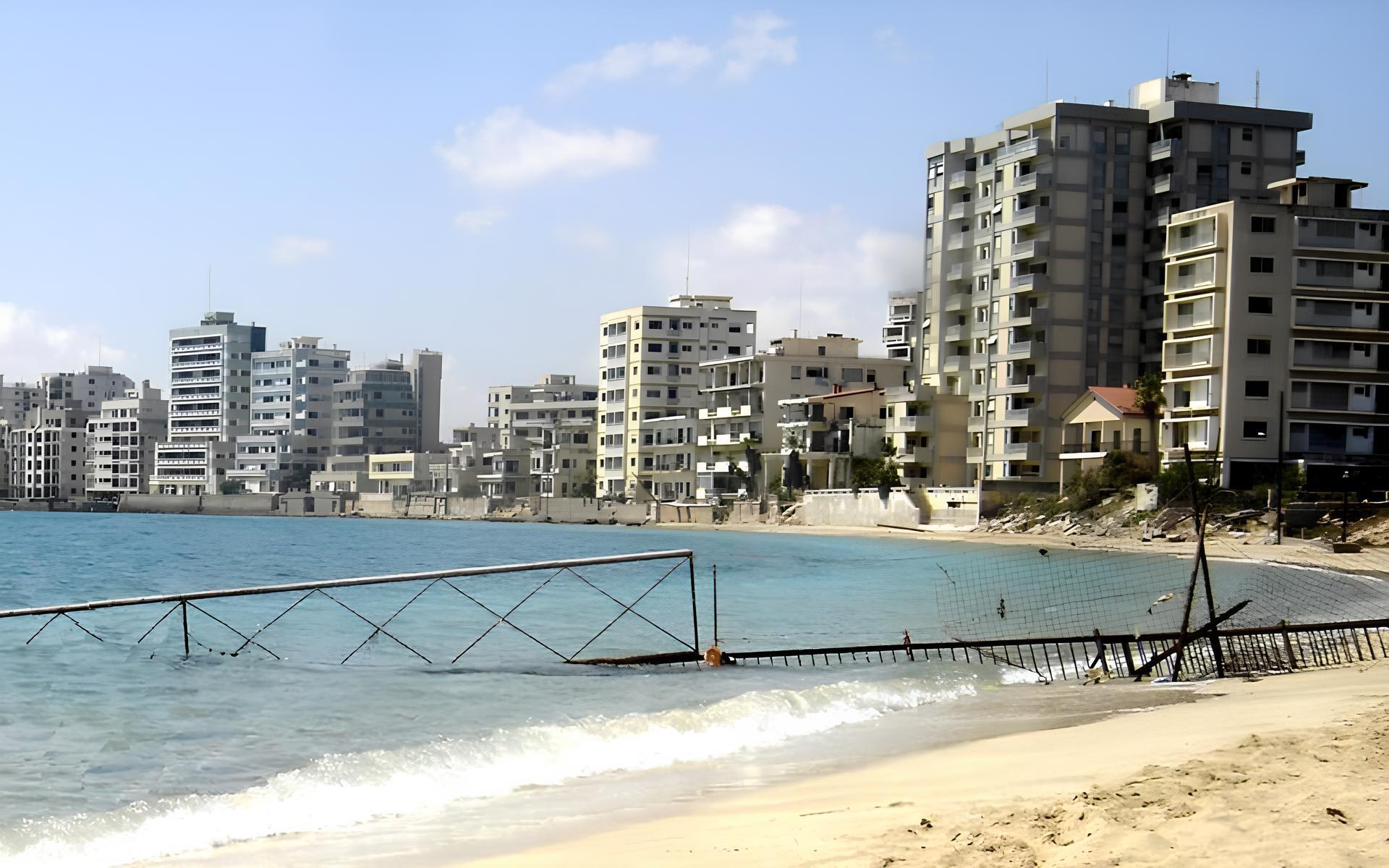
A pristine stretch of coastline that was once the heart of the resort scene.
The main thoroughfare lined with former luxury hotels and boutiques.
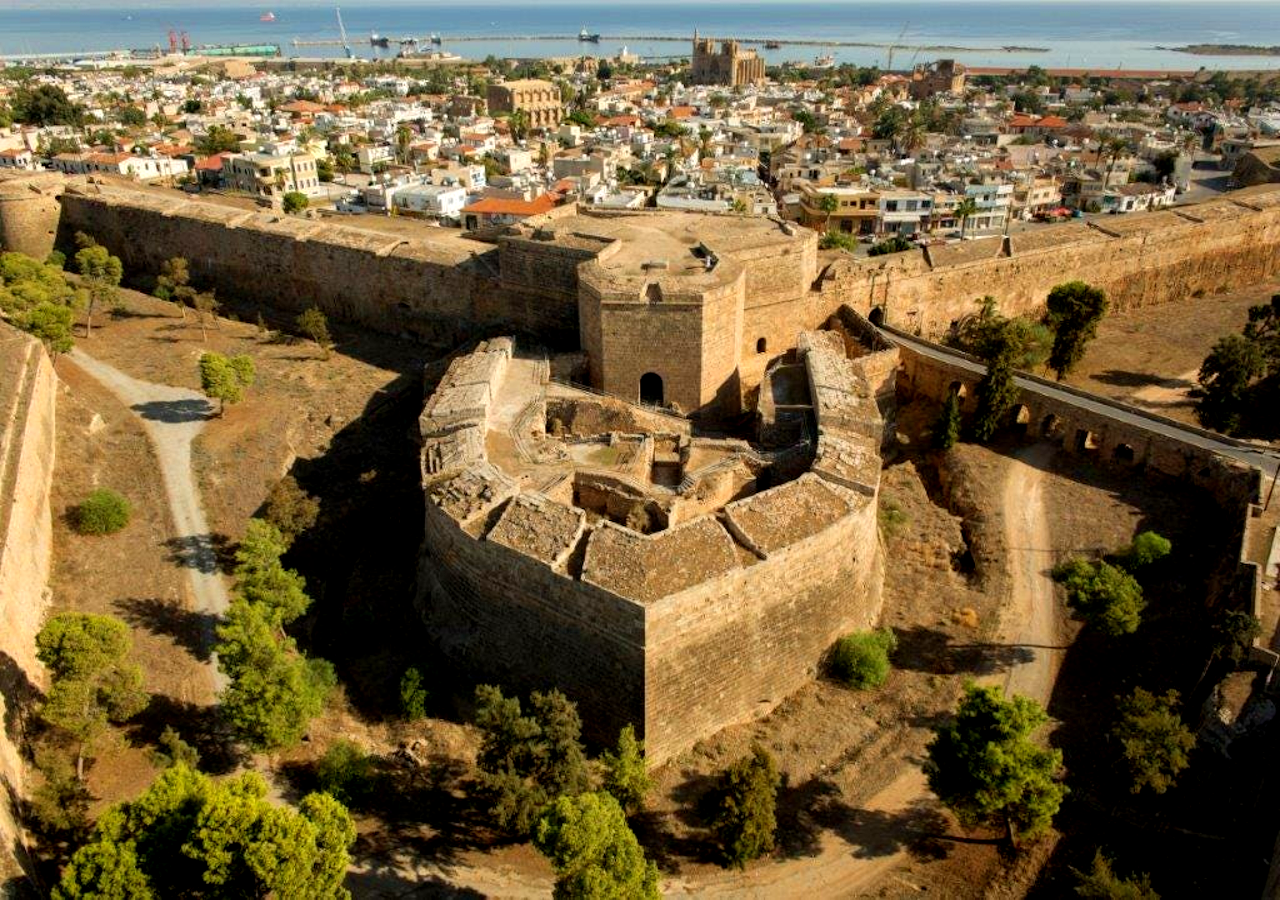
Historic fortifications encircling the adjacent old town center.
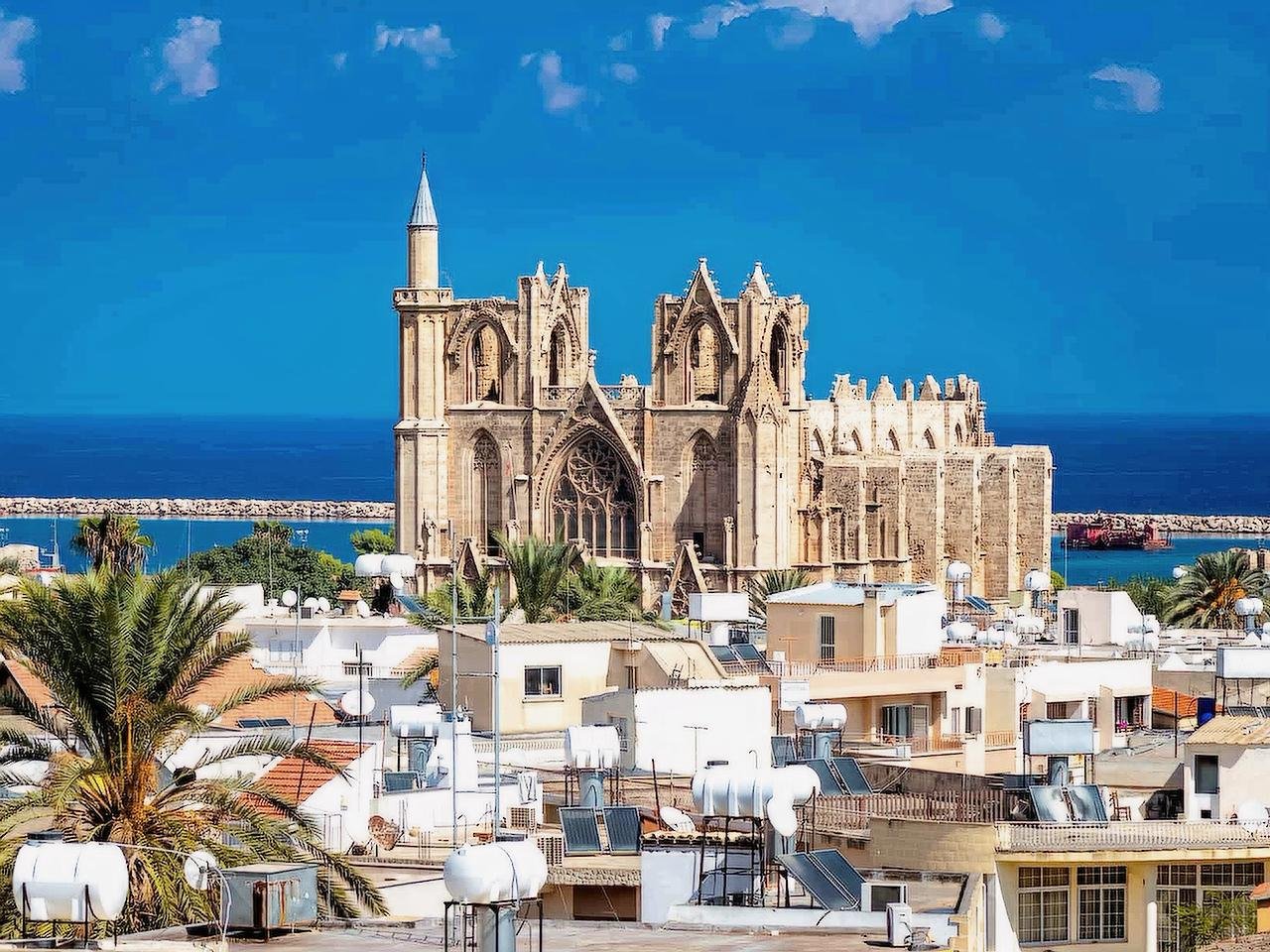
A stunning Gothic cathedral turned mosque, originally built in the 14th century.
A 14th-century fortress guarding the harbor of the old city.
Varosha provides a somber, politically charged encounter with abandoned urban decay, whereas the Troodos Mountains offer a scenic immersion into traditional Cypriot mountain life. They complement each other; most visitors who do both call the Troodos Mountains the more tranquil experience.
| Feature | Top pick Varosha Ghost Town | Troodos Mountains Tour |
|---|---|---|
Experience Type |
Urban exploration of abandoned district | Nature and village sightseeing |
Key Atmosphere |
Somber, reflective, and desolate | Tranquil, scenic, and rustic |
Physical Exertion |
Low (flat walking) | Moderate (hiking and walking) |
Historical Context |
20th-century political division | Byzantine and rural heritage |
Cultural Focus |
Modern geopolitical aftermath | Traditional customs and craftsmanship |
Logistical Commitment |
Long transit (Paphos to East) | Full-day winding mountain travel |
| See tickets → |
Verdict: Choose the famagusta ghost town tour from paphos tours to confront modern history, or select the mountain excursion if you prefer natural landscapes and village culture, noting that famagusta ghost town tour from paphos tickets remain free while the mountain tour requires a booking fee.
Choose your ticket, select your date, and reserve in under two minutes. Secure checkout handled by our verified partner.
Instant confirmation by email, with a mobile voucher you can save offline. No printing, no queuing at a collection desk.
Arrive at the entrance, show your voucher on your phone, and walk in. Most tickets include priority or skip-the-line access.
Practical details for your visit straight from our verified partners — hours, access, rules, and how to get there.
Casual and comfortable clothing is recommended for walking. Modest attire is respectful when visiting the surrounding religious sites in Famagusta.
Security personnel may inspect bags at the entrance. Carry your passport or government-issued ID as it is required for crossing the border.
Photography is permitted of the exterior structures and streetscapes. Always respect the prohibition signs and stay on designated paths.
The flat, paved streets are generally accessible for strollers and mobility aids. However, some areas may have uneven surfaces due to age.
The area is suitable for all ages, though children must be supervised at all times near the fenced-off abandoned buildings.
Limited kiosks are available at the entrance for water and light snacks. There are no food facilities inside the restricted ghost town zone.
Best time to go, insider tips, nearby landmarks, and the cancellation fine print — flip through to skim what matters to you.
Flexible, no hidden fees.
For private tours, you can cancel up to 24 hours in advance for a full refund. The entrance fee to the site is 0 EUR.
Varosha's beachfront hotels have stood empty since July 1974, when Turkish forces sealed the quarter and 15,000 residents fled with keys still in their doors. The southern resort suburb of Famagusta — once the Mediterranean's answer to Monaco — became the world's most intact ghost town, its buildings untouched for five decades while negotiations stalled and the Green Line hardened into permanence. Tables remain set in the King George Hotel, stock rots on shelves in shuttered boutiques, and rust consumes the chassis of abandoned Fords along Varosha's silent avenues. The Turkish military opened a controlled corridor in October 2020, allowing visitors to walk two kilometres of fenced promenade past crumbling high-rises and the skeletal dome of the Maronas church, its ceiling collapsed and floor choked with rubble. Famagusta itself — the walled medieval city north of Varosha — bears the weight of three empires. Lusignan Crusaders built the Cathedral of Saint Nicholas in 1326, a Gothic hall later converted into the Lala Mustafa Pasha Mosque when Ottomans took the city in 1571 after a brutal eleven-month siege that killed 50,000 defenders. Venetian engineers wrapped Famagusta in five kilometres of ramparts and fifteen bastions, walls so thick that British colonial authorities turned Othello's Tower into a prison in the nineteenth century. The old town's limestone facades lean at angles, balconies sag, and cats occupy the courtyards where Richard the Lionheart married Berengaria of Navarre in 1191. Northern Cyprus day tours from Paphos cross the buffer zone at the Ledra Palace checkpoint in Nicosia, then continue east through citrus groves and limestone hills to the coast. The route passes the ruins of ancient Salamis, where a Roman gymnasium sprawls across twelve hectares and marble columns still stand in the forum where Barnabas preached. Famagusta ghost town tour from paphos excursions typically allocate two hours inside Varosha's restricted perimeter — enough time to photograph the vine-strangled Argo Hotel and the rusted playground beside the Aphrodite Beach — before moving to the walled city for lunch and a walk along the Martinengo Bastion. The crossing requires a passport; tour operators handle permit logistics and border formalities at both checkpoints.
"Varosha's beachfront hotels have stood empty since July 1974, when Turkish forces sealed the quarter and 15,000 residents fled with keys still in their doors."
A step-by-step walkthrough of the visit — what you'll see, how long each stage takes, and the details that matter.
You meet your guide in Paphos at eight in the morning and board an air-conditioned coach for the three-hour drive east. The bus crosses the Green Line at Ledra Palace, where a UN peacekeeper checks passports and waves the group through into the Turkish-occupied north. Your first stop is the Salamis archaeological site, where you walk through the colonnade of the Roman gymnasium and photograph the marble latrines and mosaic floors of the baths. The coach continues to Famagusta's walled city, where you enter through the Land Gate and walk the narrow lanes to Lala Mustafa Pasha Mosque, its pointed arches and rose window still intact from Crusader times. After lunch near the old harbour, the guide leads you south into Varosha's military zone. You pass through a checkpoint and walk the fenced promenade that runs parallel to the beach, stopping to photograph the Argo Hotel with its collapsed facade and the King George with shutters hanging from broken hinges. Vines twist through balconies, and palm trees rise through cracked asphalt where Maronas church stands roofless against the sky. The guide explains the history of the 1974 invasion and the decades of stalemate that followed. You have forty-five minutes inside the perimeter before returning to the coach for the drive back across the Green Line, arriving in Paphos by early evening.
Yes, entrance to Varosha is 0 EUR.
The site is open 08:00–17:00 daily.
Yes, you must carry a valid passport to cross the border into Northern Cyprus.
Yes, photography of the exterior streets and abandoned buildings is permitted.
Yes, the tour is family-friendly and accessible for strollers.
Dress comfortably, keeping in mind the outdoor environment and heat.
No, you should bring your own refreshments as there is no food sold inside.
The best arrival window is 08:00–10:00 to avoid heat and crowds.
Yes, the main paths are flat and suitable for wheelchair users.
Most visitors reach the site via private transport or organized tours from Paphos.